If your sewer line has a problem, you need answers.
You may have heard terms like sewer line repair, sewer line repair near me, or sewer repair, but not known what each means.
This guide will explain it all in clear language.
We’ll also cover trenchless sewer repair, how it works, and how much it typically costs.
Let’s start with the basics.
What Is a Sewer Line?
Your sewer line is the pipe that carries waste water from your home to the city sewer system.
It runs underground and connects toilets, sinks, and drains to the main sewer.
When it is working right, you never think about it.
But when it fails, problems happen fast.
Signs You Need Sewer Line Repair
Sewer line repair is required if:
- Water backing up in drains
- Slow drains throughout the house
- Gurgling sounds from toilets or sinks
- Foul odors around your yard or home
- Sinkholes or wet patches in your yard
These symptoms mean your sewer line is damaged.
Ignoring them can lead to bigger problems.
Common Causes of Sewer Line Damage
Sewer lines break down over time.
Here are common causes:
- Tree roots growing into pipes
- Corrosion of old pipes
- Ground movement or soil settling
- Clogs from grease or debris
- Cracks or breaks from heavy weight
Some causes require simple cleaning.
Others require full repairs or replacement.
Sewer Line Repair vs. Sewer Line Replacement
Sewer Line Repair
Sewer line repair means fixing the damaged part of a sewer pipe.
This can include fixing cracks, removing minor blockages, or repairing leaks.
Repair costs can vary a lot but often range from local estimates based on the problem and location.
Sewer Line Replacement
When damage is too severe, sewer line replacement is needed.
This means replacing the old pipes with the new ones.
Replacement is usually more expensive than repair because it covers more work and materials.
Traditional Sewer Line Repair
Traditional sewer repair involves digging.
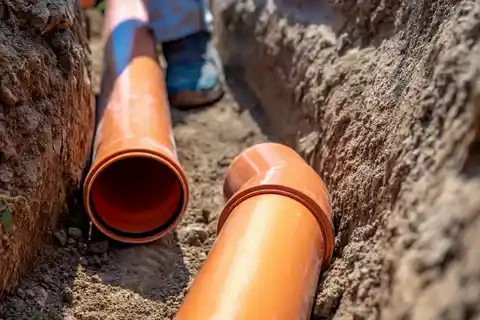
A trench is dug from your house to the damaged area.
Pipes are exposed and repaired or replaced.
This method is effective but can disrupt lawns, driveways, or landscaping.
Pros:
- Works for almost any problem
- No special equipment is required
Cons:
- Yard disruption
- Higher restoration costs
- Longer project time
Traditional sewer repair costs vary, often depending on the pipe length and depth.
What Is Trenchless Sewer Repair?
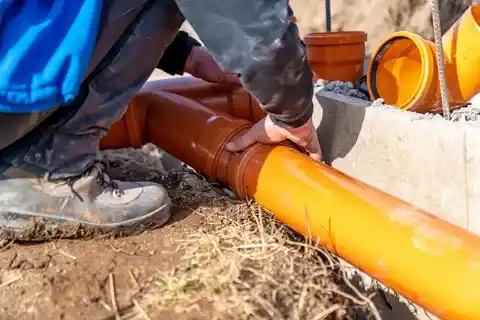
Trenchless sewer repair is a modern option that fixes or replaces sewer pipes without digging large trenches.
Instead of tearing up your lawn, plumbers use special equipment to fix pipes from the inside.
That means less damage to your property and a quicker project overall.
There are two main trenchless methods:
1. Pipe Lining
Also called Cured-in-Place Pipe (CIPP).
It hardens and forms a new pipe inside the old one.
2. Pipe Bursting
A tool breaks up the old pipe and a new pipe is installed.
This method fully replaces the old sewer line without traditional digging.
Both methods require advanced equipment.
They are usually done in one to three days.
How Does Trenchless Sewer Repair Work?
Here’s a simple step-by-step of the trenchless process:
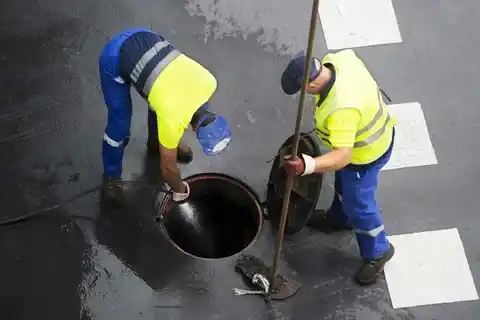
- Inspection: A camera is inserted into your sewer line to find the problem.
- Access Point: A small hole is dug for equipment access.
- Cleaning: Pipes are cleaned so the new lining can bond.
- Repair/Replacement:
- For lining, a resin-coated liner is inserted and cured.
- For bursting, the old pipe is broken and replaced with a new one.
- Finishing: The access hole is closed.
- Testing: The plumber tests the new line to ensure proper flow.
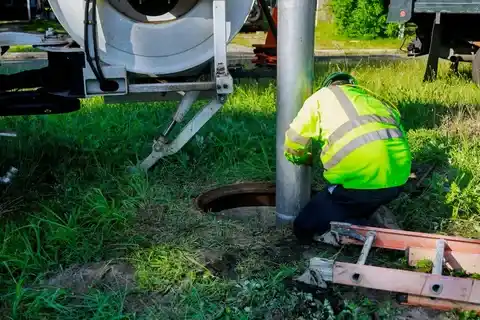
This process avoids huge trenches and restores the sewer line efficiently.
When Is Trenchless Sewer Repair a Good Choice?
Trenchless sewer repair works best when:
- Pipes are cracked or worn but still mostly intact
- You want to protect landscaping or driveways
- Traditional digging would be difficult
- The pipe route is straightforward and accessible
Not all repairs can be done trenchlessly.
Severe collapses or complex pipe routing might still need traditional methods.
How Much Does Sewer Line Repair Cost?
Cost depends on many factors:
- Type of damage
- Length and depth of pipe
- Soil conditions
- Access to the pipe
- Method chosen (traditional or trenchless)
Average cost ranges:
- Traditional sewer repair: typically from $50 to $250 per foot plus restoration work.
- Trenchless sewer repair: about $80 to $250 per foot on average, depending on method and materials.
- Overall project costs for trenchless can range from $4,000 to $15,000 or more, depending on pipe length and specifics.
Keep in mind that sewer line inspection costs may be extra if not included in a plumber’s service.
Although trenchless methods can seem more expensive per foot, they often save money in the long run by reducing yard restoration costs.
Sewer Line Repair Near Me
If you search for “sewer line repair near me,” you are likely looking for a local plumbing company that can diagnose and fix your sewer problem quickly.
Local professionals have the tools and experience to inspect drainage lines, determine the best method, and complete the repair with minimal disruption.
A local sewer line repair service can handle:
- Camera inspection of sewer pipes
- Traditional and trenchless repair
- Spot repair or full replacement
- Post-repair testing and cleanup
Calling a local expert ensures a faster response and accurate solution.
Steps to Choose a Sewer Line Repair Company
Here’s how to choose the right sewer line repair professional:
Step 1: Get an Inspection
Ask the company to inspect your sewer line with a camera.
This gives a clear view of the damage before fixing it.
Step 2: Compare Methods
Ask if trenchless is an option.
Find out why they recommend one method over another.
Step 3: Get a Written Estimate
Good plumbers give clear, written cost estimates.
Step 4: Ask About Guarantees
Reliable companies stand by their work with warranties.
Step 5: Check Reviews
Look for high ratings from previous customers.
Trenchless vs Traditional Sewer Repair: Pros and Cons
Trenchless Sewer Repair
Pros:
- Less digging
- Protects your landscaping
- Often faster
- Long-lasting solutions
Cons:
- Higher upfront cost
- Not right for extreme collapses
- Requires specialized equipment
Traditional Sewer Repair
Pros:
- Works in almost every situation
- Usually lower upfront cost
Cons:
- Yard disruption
- Longer repair time
- Higher overall restoration cost
Conclusion
Sewer line repair is a serious household problem.
Whether you need traditional or trenchless sewer repair, early diagnosis is the key.
Modern trenchless techniques offer less disruption and long-lasting results, especially for pipes under driveways or lawns.
If you search for sewer line repair near me, choose a trusted professional who offers camera inspection, clear cost estimates, and both traditional and trenchless options.
Your sewer system is vital — the right repair ensures safety and reliable performance for years.